At a Glance
- In September 2026, Metro Nashville Planning released an existing conditions report for its urban core Design and Development Strategy, covering roughly 3,000 acres in Downtown, Midtown, Music Row and the East Bank.
- The report finds the urban core has outgrown the zoning tools built to manage it; the next phase will look at zoning districts, design standards and approval processes.
- The 550-acre East Bank, anchored by the new Nissan Stadium and Metro’s partnership with The Fallon Company, is the largest new district taking shape near downtown.
- Allegro, a planned seven-story project at 621 Middleton Street in Pie Town, would add for-sale condominiums, with delivery projected for late 2028.
- The proposed Midtown East subdistrict was heard by the Planning Commission on October 22, 2026, and returns November 12; it is not yet adopted.
- The $3.1 billion Choose How You Move program is moving into implementation, which makes walkability an increasingly important factor for urban core buyers.
Nashville has spent the better part of the last decade building upward and outward. New condominium towers, apartment communities, hotels, restaurants, and mixed use developments have changed the city’s skyline and expanded the number of people calling the urban core home.
But as Nashville continues growing, the conversation is beginning to change. It’s no longer just about how much development the city can accommodate. It’s about how that development should happen, where it makes the most sense, and what kind of city Nashville wants to become over the next 10 to 20 years.
That conversation became more concrete in September 2026, when the Metro Nashville Planning Department released its Urban Core Design and Development Strategy: Existing Conditions and Trends Report.
After nearly ten years working in Nashville real estate, I find this particularly interesting. The decisions being made around zoning, infrastructure, public spaces, and residential development today will influence the neighborhoods buyers are considering for years to come.
Nashville’s New Urban Core Development Strategy
The Metro report examines approximately 3,000 acres across four major areas: Downtown, Midtown, Music Row, and the East Bank.
It looks at eight different components of urban development, including zoning, historic preservation, transportation, infrastructure, public spaces, and existing development patterns.
One of the report’s biggest findings is that Nashville’s urban core has grown faster than the planning and zoning tools originally designed to manage it. Processes that were intended for unusual development requests have increasingly become standard practice, creating inconsistencies in how projects are reviewed and approved.
The next phase of the initiative will explore potential changes to zoning districts, development standards, design guidelines, and approval processes.
In my opinion, that’s an important step. Growth is a good thing, but thoughtful growth is what ultimately creates neighborhoods people want to live in.
The goal shouldn’t simply be more buildings. It should be better connected neighborhoods with housing, businesses, public spaces, and infrastructure that work together.
The East Bank Is Becoming Nashville’s Next Major Neighborhood
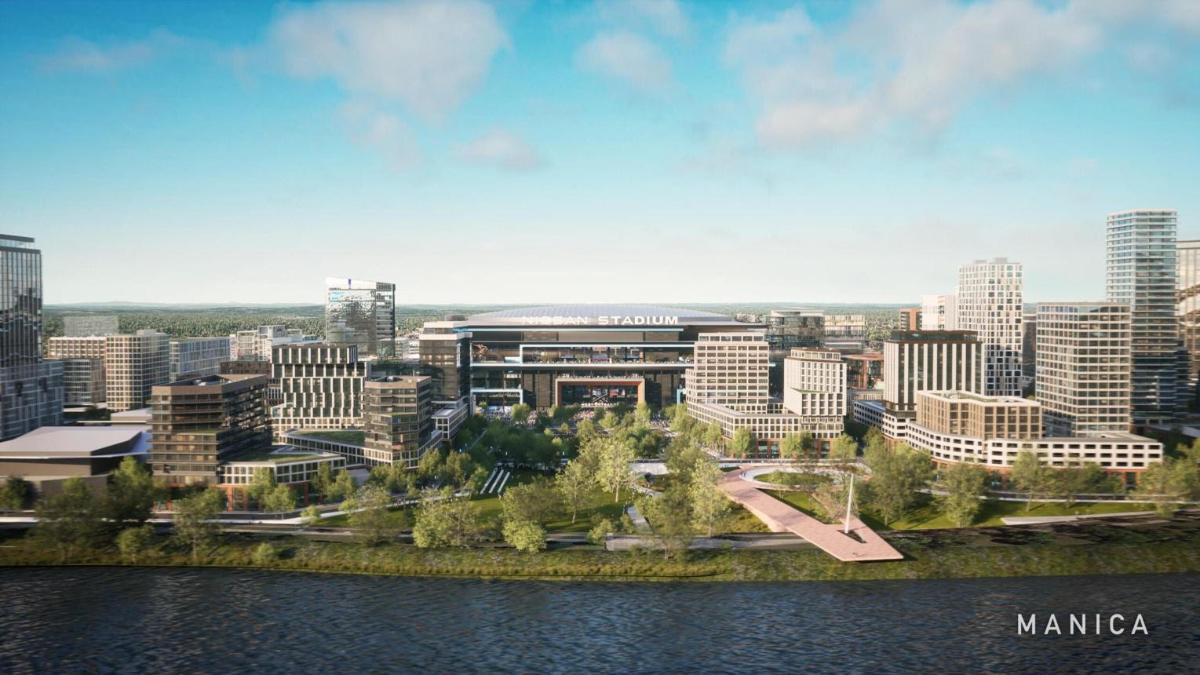
If there’s one area of Nashville that deserves attention over the next several years, it’s the East Bank.
The approximately 550-acre redevelopment area along the Cumberland River represents one of the largest opportunities to expand Nashville’s urban footprint. Between the new Nissan Stadium, planned residential communities, commercial development, public parks, and improved riverfront access, this part of the city is positioned for a significant transformation.
The development vision goes well beyond the stadium itself. Metro has been working with The Fallon Company on the first 30 acres of Metro-owned land, while planning continues for East Bank Boulevard, which is intended to connect the developing neighborhoods.
There’s also the larger opportunity to reconnect Nashville residents with the Cumberland River through public spaces and improved pedestrian access.
For buyers, the East Bank is worth watching because it represents an entirely new residential and commercial district taking shape close to downtown.
Pie Town and The Gulch Continue Adding Residential Options
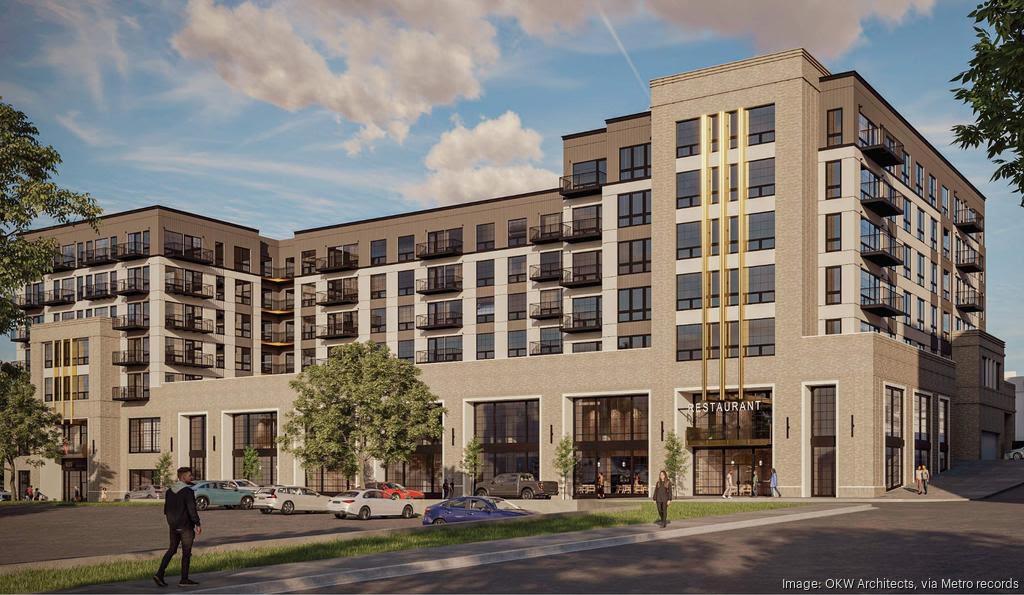
South of downtown, Pie Town and The Gulch continue to add residential density and mixed use development to an already established urban environment.
One project worth watching is Allegro, a seven-story development planned at 621 Middleton Street in Pie Town. The project includes 82 for-sale residential units, approximately 228,000 square feet of mixed use development, commercial space, and structured parking. Its current projected delivery is late 2028.
That is particularly interesting for Nashville because it adds another for-sale residential option in an area that has historically seen significant rental and commercial development.
The Gulch continues to evolve as well, with additional hospitality, retail, and residential investment contributing to its position as one of Nashville’s most recognizable urban neighborhoods.
For buyers considering a condominium, these areas offer a different experience from traditional single family neighborhoods. The appeal is convenience, walkability, access to restaurants, and proximity to downtown employment and entertainment.
Midtown and Music Row Are Facing Important Development Decisions
Midtown and Music Row present a slightly different conversation.
These areas already have established residential communities, major employers, historic properties, and some of Nashville’s most recognizable institutions. At the same time, they’re experiencing increased pressure for redevelopment.
The proposed Midtown East subdistrict is a good example of how Metro is beginning to address that challenge.
The proposal would establish more consistent standards for building height, form, and design in an area experiencing significant development pressure. It was considered by the Planning Commission on October 22, 2026, but further action was deferred to November 12 to allow additional feedback on housing incentives.
That distinction matters. The proposal is not yet an adopted change, but it demonstrates the direction of the conversation around Midtown.
Music Row faces its own balancing act. The neighborhood has tremendous historical and cultural significance to Nashville’s music industry, while also sitting in an increasingly valuable part of the urban core.
Finding ways to accommodate new investment while protecting the character and history of these areas will be an important part of Nashville’s next development chapter.
Infrastructure and Walkability Will Influence Where Nashville Grows
One of the most important pieces of Nashville’s development strategy has very little to do with individual buildings.
It’s infrastructure.
The city’s voter-approved Choose How You Move program is now moving from planning into implementation. The $3.1 billion transportation initiative includes improvements to sidewalks, traffic signals, bus service, and major transportation corridors.
Some of the broader goals include 86 miles of new sidewalks, more frequent transit service, and smarter traffic signals across Nashville.
The connection between transportation and real estate is fairly straightforward. Buyers increasingly value neighborhoods where they can walk to restaurants, access public spaces, and get to work or everyday destinations without relying entirely on a car.
Better connectivity also makes it easier for businesses to locate in an area and for residential communities to grow around them.
As Nashville continues to develop, I expect walkability and access to become even more important considerations for buyers evaluating properties in the urban core.
What These Changes Mean for Nashville Homebuyers
When I work with buyers relocating to Nashville, I encourage them to look beyond the property itself.
A house or condominium is one piece of a much larger picture. The surrounding neighborhood, nearby businesses, employment centers, infrastructure, and future development all contribute to the overall ownership experience.
That’s particularly true in a city like Nashville, where certain neighborhoods are still evolving.
Downtown and The Gulch appeal to buyers looking for condominium living and immediate access to entertainment. Germantown and Pie Town offer different versions of urban residential living. Midtown, Music Row, and the neighborhoods surrounding Vanderbilt provide access to established institutions, restaurants, and some of Nashville’s most recognizable residential streets.
The East Bank represents a longer-term development opportunity that buyers should continue monitoring.
None of these investments guarantee property appreciation, and proposed developments don’t always come to fruition on their original timelines. But understanding where the city is directing its attention can help buyers make more informed decisions.
Nashville’s Next Chapter Will Be About Building Better Neighborhoods
One thing I’ve appreciated about building my real estate career in Nashville is getting to watch the city evolve firsthand.
I’ve helped clients purchase everything from first homes in established residential neighborhoods to luxury properties and condominiums in the urban core. Over that time, the changes have been substantial.
What’s happening now feels like another important transition.
Nashville has demonstrated that people want to live in its urban core. The next challenge is making sure the infrastructure, zoning, public spaces, and residential development keep pace with that demand.
The Metro Nashville Urban Core Design and Development Strategy is an important starting point for that conversation.
For buyers, sellers, and homeowners, it’s worth paying attention to what happens next. The decisions made over the next several years will help determine how Downtown, Midtown, Music Row, The Gulch, Pie Town, and the East Bank develop for the next generation.
Nashville isn’t just getting bigger. It’s deciding what kind of city it wants to be. And from a real estate perspective, that’s a conversation worth following.