At a Glance
- Nashville’s urban core is becoming a collection of distinct neighborhoods, not just a destination defined by Broadway.
- Wedgewood-Houston blends art studios, new retail and dining at Wedgewood Village, and The Truth, a 4,400-capacity music venue that opened in October 2026.
- Germantown offers historic architecture, brick sidewalks and established restaurants close to the Nashville Farmers’ Market and Bicentennial Capitol Mall State Park.
- The Gulch is Nashville’s most complete mixed-use neighborhood, with Paseo South Gulch and the Pendry Nashville Hotel and Residences (expected 2027) shaping its next chapter.
- Downtown’s renovated Arcade pairs longtime tenants like The Peanut Shop with new restaurants and the Arcade Arts Program.
- For buyers, the right urban neighborhood depends on lifestyle: historic character, modern condo convenience or a creative district still evolving.
For years, Nashville’s identity on a national stage has been closely tied to Broadway. The honky-tonks, live music, neon signs and steady stream of visitors have helped establish the city as one of the country’s most recognizable entertainment destinations.
That identity is not going away, but it no longer tells the whole story.
Across Nashville’s urban core, distinct neighborhoods are developing their own personalities. Restaurants, independent retailers, creative businesses, residential projects and public spaces are giving people more reasons to spend time downtown without necessarily spending their evening on Lower Broadway.
For people considering a move to Nashville, or residents looking to make a change within the city, that evolution matters. The urban core is becoming less about living near downtown and more about choosing which neighborhood best fits the way you want to live.
Wedgewood-Houston: A Creative District Finding Its Footing
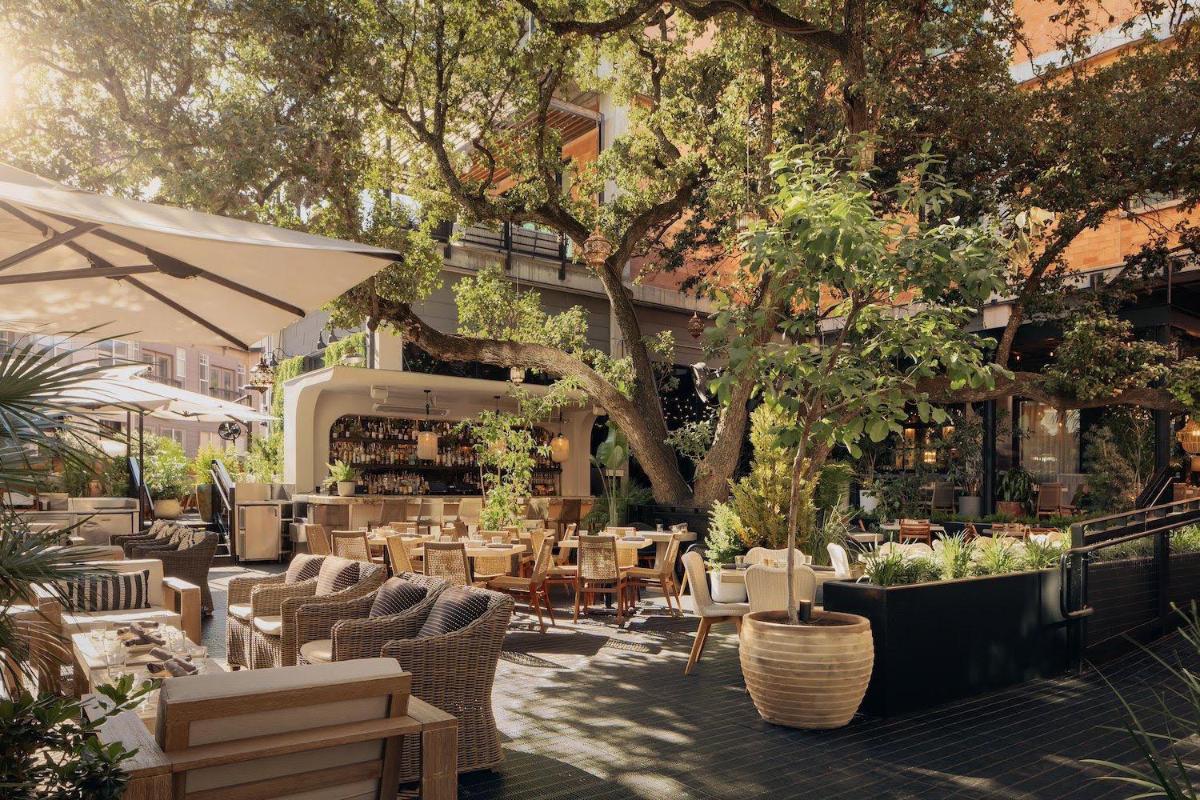
Few areas illustrate Nashville’s changing urban identity better than Wedgewood-Houston.
Long associated with its industrial buildings, artist studios and creative businesses, the neighborhood has attracted a growing mix of restaurants, retail and entertainment. Its evolution is particularly visible around the Houston Street and Martin Street corridors.
The Wedgewood Village development is bringing a substantial collection of uses together, including restaurants, retail, hospitality and residential opportunities. Recent additions include Hermès, Brunello Cucinelli, Pastis, Momotaro and Alla Vita. Bell Bird Books and other locally owned businesses are adding a neighborhood-oriented element alongside the larger retail names. The Truth, a new 4,400-capacity music venue, opened in October 2026.
What makes Wedgewood-Houston interesting is the combination. It is not simply becoming another restaurant district or residential development. Its identity is being shaped by the overlap of art, food, independent businesses, music and new housing.
There is still a sense of transition here, which is part of the appeal. Buyers interested in an urban environment with a little more room for discovery may find that particularly attractive.
Germantown: Historic Character With a Neighborhood Feel
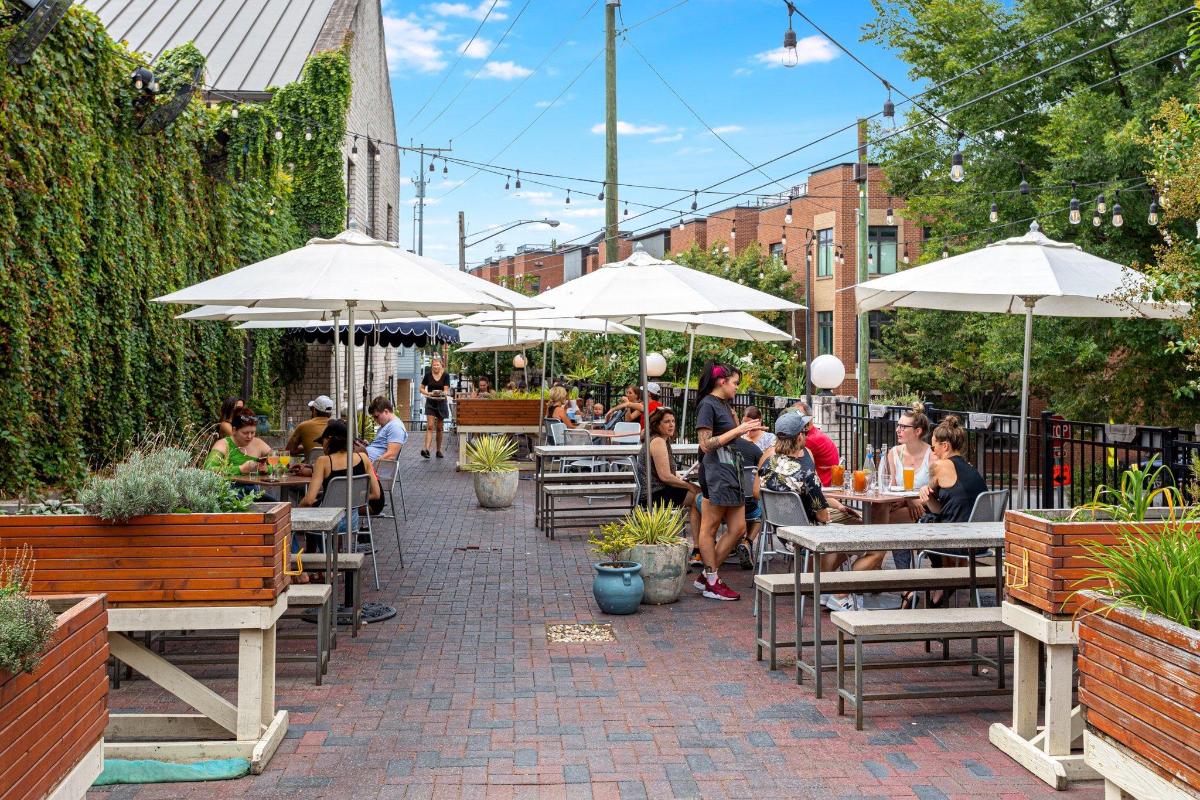
Germantown offers a different experience. Rather than building an identity around a wave of new development, it has spent years establishing one rooted in historic architecture, walkability and a strong collection of local businesses.
Brick sidewalks, Victorian-era homes, mature trees and smaller commercial corridors give the neighborhood a scale that feels distinct from the surrounding downtown landscape. Its restaurant scene is a major part of the draw, with established names such as Rolf and Daughters, City House, Henrietta Red and Butchertown Hall.
The Nashville Farmers’ Market and Bicentennial Capitol Mall State Park also add to the area’s everyday appeal. Residents can enjoy a relatively compact neighborhood while remaining close to downtown employment, entertainment and major city destinations.
From a residential perspective, Germantown has something that can be difficult to manufacture through new development: a recognizable sense of place. The housing options range from historic single-family homes to townhomes and newer residential buildings. For buyers who value walkability and architectural character, it remains one of Nashville’s more distinctive urban neighborhoods.
The Gulch: A More Complete Urban Lifestyle
The Gulch has evolved considerably from its industrial beginnings. Today, it is one of Nashville’s most established examples of a modern, mixed-use neighborhood, combining residential buildings, restaurants, shopping, hotels, fitness studios and entertainment within a relatively compact area.
The dining and retail options have continued to expand. Residents have access to everything from Biscuit Love and Adele’s to Bar Mar, Zaytinya and The Catbird Seat, along with retailers such as Anthropologie, Patagonia, Lululemon and Carter Vintage Guitars. The Station Inn also remains an important part of the neighborhood’s connection to Nashville’s music history.
The next chapter is taking shape around Paseo South Gulch. The development combines restored historic buildings with residential, office, retail and hospitality uses. Its plans include the Prima apartment community and the Pendry Nashville Hotel and Residences, which is expected to open in 2027.
For buyers, The Gulch offers a particularly convenient version of city living. Many residential buildings provide amenities, while restaurants, shops, parks and entertainment are close at hand. It is a different proposition from a traditional single-family neighborhood, but for someone who values an active, walkable environment, that can be exactly the point.
Downtown: The Arcade Gives the Historic Core New Energy
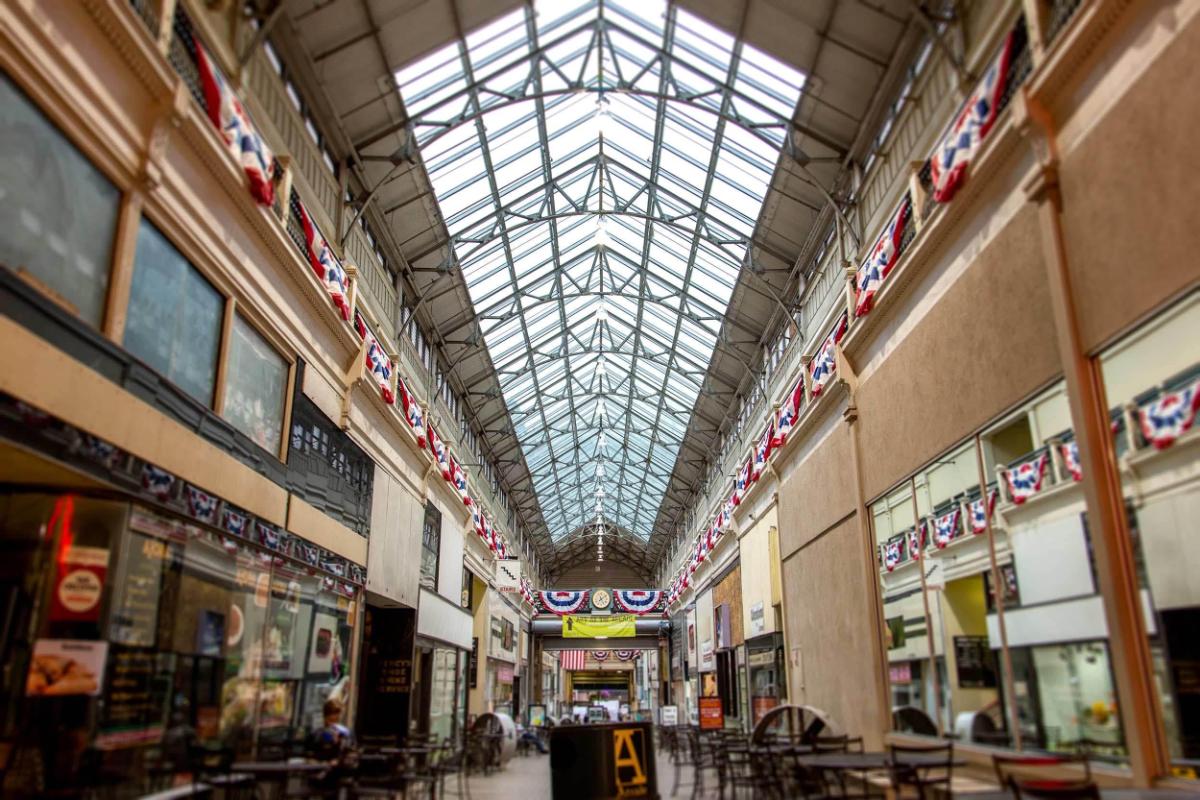
Downtown Nashville is also finding ways to broaden its identity beyond Broadway.
One of the clearest examples is the revitalization of The Arcade, the historic covered shopping district at Fourth Avenue North. Following an extensive renovation, the 124-year-old landmark has welcomed a new mix of restaurants, retailers and creative businesses.
The current tenant mix includes longtime Nashville favorites such as The Peanut Shop alongside newer additions like Bar Roza, Buddy’s Tiny Tonk, Ugly Bagel and Urban Cowboy Bar. The second floor is also home to the Arcade Arts Program, which provides studio space, exhibitions and events for local artists.
The Arcade is a good example of how downtown can preserve its history while creating reasons for residents to return. It offers a more layered experience than simply walking through the entertainment district, and it reinforces the idea that Nashville’s urban core has room for several different types of activity.
What This Means for Nashville Homebuyers
A neighborhood’s appeal is rarely determined by one restaurant, one building or one new development. It comes from how the pieces work together.
Walkability, access to local businesses, nearby parks, entertainment, housing options and a sense of community all influence how people experience a place. The right combination looks different depending on the buyer.
Someone who wants historic architecture and a quieter residential setting may gravitate toward Germantown. A buyer who prefers a modern condo lifestyle with restaurants and shopping nearby may find The Gulch a better fit. Wedgewood-Houston may appeal to someone who enjoys a creative environment that is still evolving.
That is one of the more interesting changes happening in Nashville. The urban core is becoming a collection of neighborhoods with distinct identities rather than a single destination defined by its proximity to Broadway.
For buyers, that creates more choices. And for Nashville, it makes the city a more complete place to live, not just a place to visit.