At a Glance
- Nashville is entering a new phase of urban growth through 2030.
- The East Bank redevelopment is one of the largest urban projects in the country and the biggest long term opportunity.
- Midtown, West End, and Vanderbilt keep strengthening on healthcare and higher education demand.
- The Gulch, Pie Town, and Wedgewood Houston are evolving into one connected urban corridor.
- Walkability and infrastructure investment are becoming central to long term value.
After nearly a decade helping clients buy and sell real estate across Nashville, I’ve noticed that the best real estate decisions are rarely based on what’s happening today.
They’re based on understanding where a city is headed.
That’s especially true in Nashville.
Over the last fifteen years, we’ve watched neighborhoods like The Gulch transform from former industrial land into one of the city’s most recognizable urban districts. We’ve seen Germantown mature into one of Nashville’s premier residential neighborhoods. Wedgewood Houston has grown into a destination for art, dining, and design. These weren’t overnight success stories. They were the result of years of public and private investment.
As I look ahead to the next five years, I see another chapter unfolding. While no one can predict the future with certainty, the city’s investment patterns offer a strong indication of where Nashville’s next wave of growth is likely to occur.
One principle has remained remarkably consistent throughout my career.
The strongest long term real estate decisions are often made where a city is investing, not simply where it’s already thriving.
The East Bank Is Nashville’s Biggest Long Term Opportunity
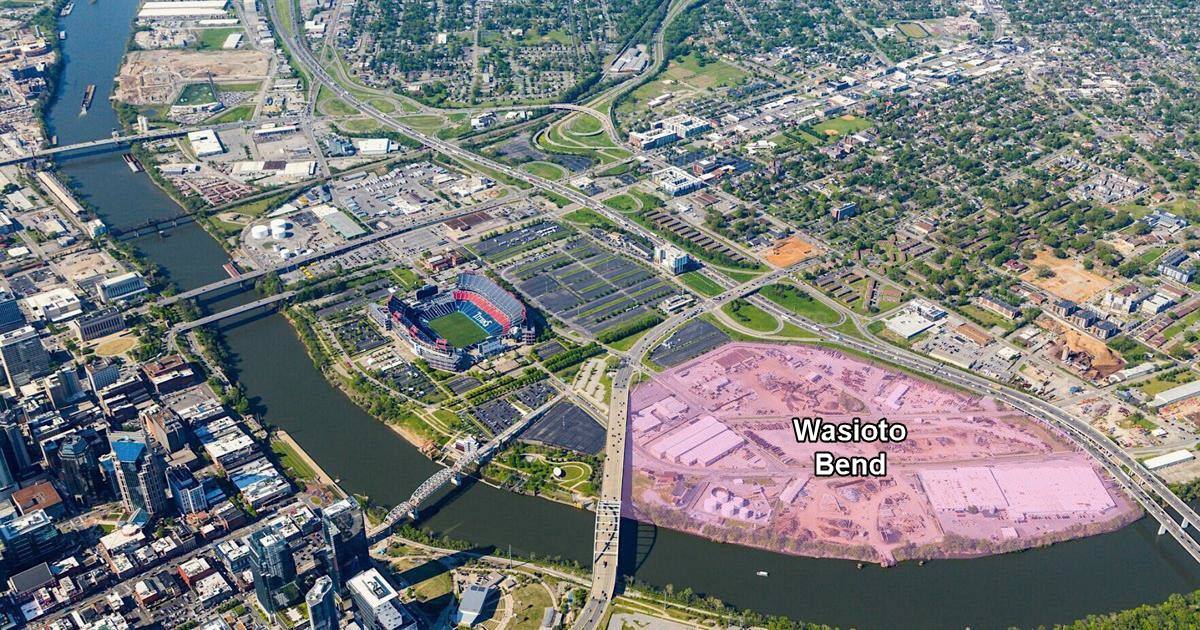
If there’s one project that has the potential to reshape Nashville over the next decade, it’s the East Bank.
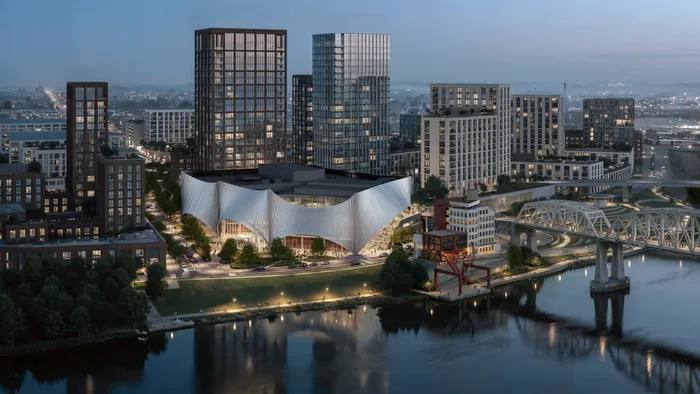
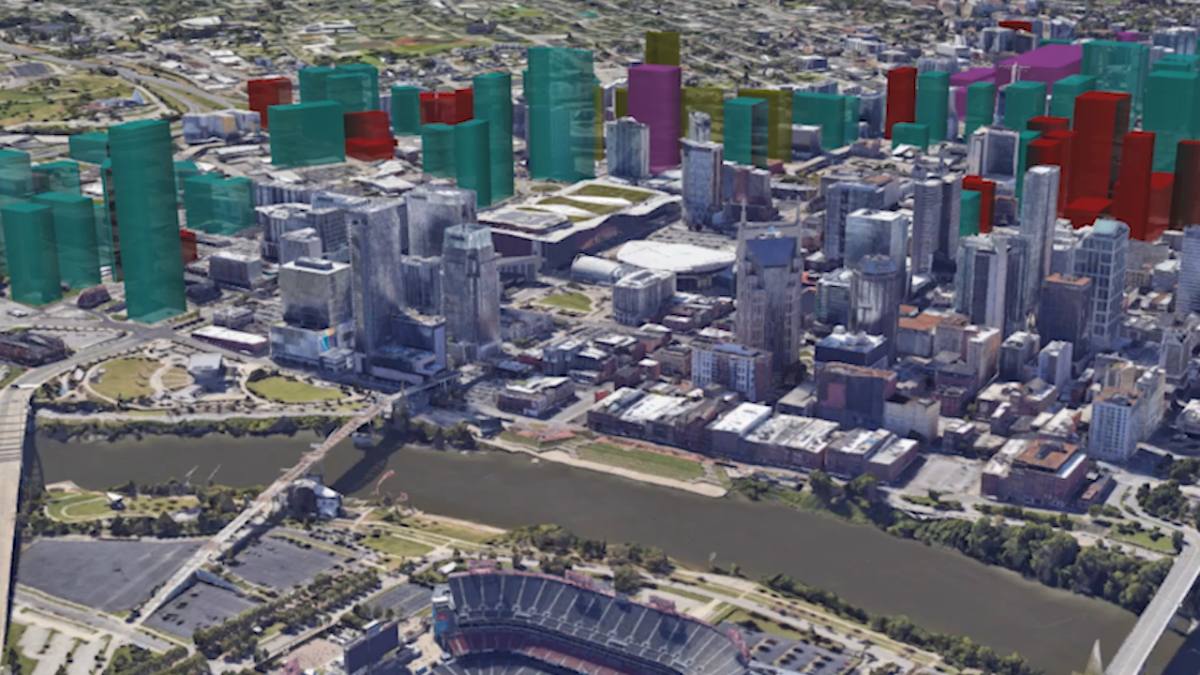
Stretching across hundreds of acres along the east side of the Cumberland River, this is one of the largest urban redevelopment projects in the country. Metro’s vision includes new parks, mixed use neighborhoods, office space, housing, riverfront access, and improved street connectivity that will fundamentally change how people experience downtown Nashville.
The new Tennessee Titans stadium is certainly the most visible piece of the project, but it’s only one component.
What interests me more is everything surrounding it.
As infrastructure, residential development, and public spaces continue to come online, the East Bank has the potential to create an entirely new extension of Nashville’s urban core. Buyers who understand that broader vision may see opportunities that extend well beyond a single development.
Midtown, West End, and Vanderbilt Continue to Strengthen
One mistake I see buyers make is assuming established neighborhoods stop evolving.
That hasn’t been true around Vanderbilt.
West End and Midtown continue benefiting from consistent investment tied to Vanderbilt University, Vanderbilt University Medical Center, and one of the strongest healthcare economies in the country.
New hotels, restaurants, mixed use developments, and commercial investment continue adding to neighborhoods that already have exceptionally strong fundamentals.
Healthcare remains one of Nashville’s largest economic drivers, and higher education continues attracting students, researchers, physicians, and professionals from across the country.
Those aren’t short term trends. They’re long term demand generators that continue supporting residential housing throughout the surrounding neighborhoods.
The Gulch Is Growing Beyond Luxury Condos
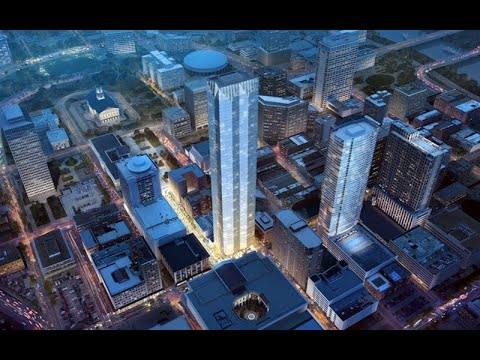
The Gulch has matured considerably over the past decade, but I don’t think its story is finished.
The neighborhood continues adding restaurants, hotels, office space, and retail that strengthen its identity as one of Nashville’s premier urban districts.
What’s changed is the conversation.
Buyers are no longer asking whether The Gulch will succeed. They’re asking how the surrounding neighborhoods will benefit from its continued expansion.
As development continues pushing outward, adjacent areas may experience increased demand simply because of their proximity to an established destination.
Pie Town and Wedgewood Houston Continue to Evolve
One area I continue watching closely is the southern edge of downtown.
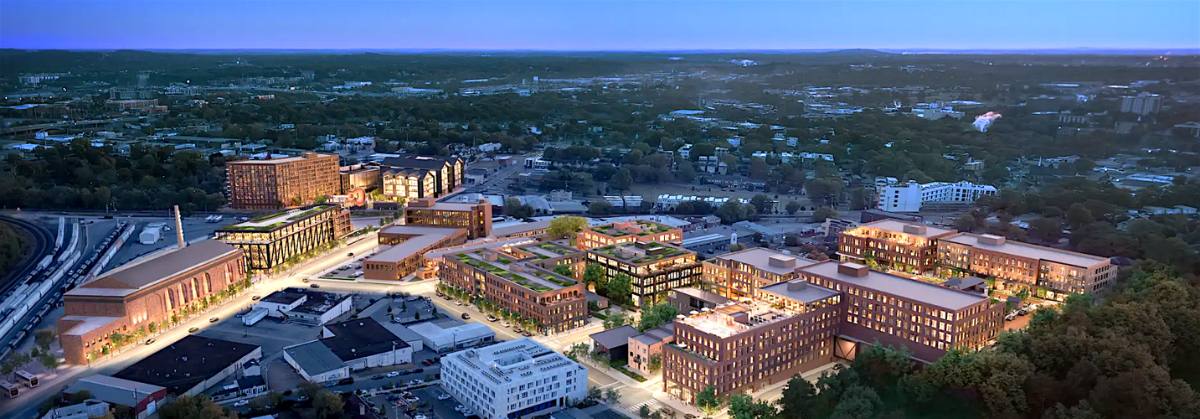
Pie Town has seen steady commercial investment and residential growth that connects naturally with both The Gulch and SoBro. At the same time, Wedgewood Houston continues building on its reputation as one of Nashville’s most creative neighborhoods.
What stands out isn’t one specific project.
It’s the momentum.
Art galleries, local restaurants, boutique hospitality, adaptive reuse projects, and thoughtfully designed residential communities continue creating a neighborhood that feels authentic rather than manufactured.
As connectivity improves between these districts, I expect buyers to view them less as individual neighborhoods and more as parts of one expanding urban corridor.
Walkability Is Becoming More Valuable
One trend I’ve seen accelerate over the last several years is buyers placing greater value on walkability.
People increasingly want neighborhoods where they can walk to coffee, restaurants, parks, fitness studios, and local businesses instead of relying on their car for every errand.
That doesn’t mean every buyer wants downtown living.
It means convenience has become part of a property’s value.
Neighborhoods that combine residential housing with access to daily amenities continue attracting strong interest because they offer a lifestyle that’s becoming more difficult to replicate.
As Nashville continues growing, I expect walkability to become even more important, particularly in the city’s urban core.
Infrastructure Will Shape the Next Chapter
Growth doesn’t happen without infrastructure.
Over the next several years, Nashville will continue investing in roadway improvements, pedestrian connectivity, parks, greenways, and transportation discussions that support a larger population.
While large scale transit conversations have evolved over time, one thing remains clear.
The city recognizes that continued growth requires continued investment in mobility.
Projects that improve connectivity between neighborhoods often have a ripple effect, making nearby residential areas more attractive for both homeowners and businesses.
What Buyers Should Watch Between Now and 2030
When clients ask where I would focus my attention over the next five years, I encourage them to think beyond individual listings.
Instead, I look at larger patterns.
I pay attention to where infrastructure dollars are being spent. Where employers are expanding. Where public spaces are improving. Where new restaurants and local businesses continue opening. Where universities and healthcare systems are investing for the long term.
Those factors tend to influence housing demand long before they show up in appreciation charts.
That doesn’t mean every neighborhood will perform the same way, and no one can guarantee future values. Real estate markets are influenced by interest rates, the broader economy, inventory levels, and many other factors.
But cities generally leave clues about where they’re headed.
Nashville is no different.
Final Thoughts
One of the reasons I’ve enjoyed building my career in Nashville is that this city continues to evolve without losing the qualities that made people want to move here in the first place.
The next chapter won’t be defined by one neighborhood.
It will be shaped by thoughtful investment across the East Bank, Midtown, West End, The Gulch, Pie Town, Wedgewood Houston, and the surrounding urban core.
As I advise buyers today, my perspective remains the same as it was when I started in real estate nearly ten years ago.
Pay attention to where Nashville is investing today, because those decisions often shape where people will want to live tomorrow.
Frequently Asked Questions
Nashville Growth Through 2030
What is the biggest growth driver for Nashville real estate through 2030?
The East Bank redevelopment is one of the largest urban projects in the country and represents Nashville’s biggest long-term real estate opportunity.
Are established Nashville neighborhoods like Midtown and West End still growing?
Yes. Midtown, West End, and the Vanderbilt area continue to strengthen, driven by healthcare and higher education demand.
Is The Gulch still evolving, or has its growth finished?
The Gulch has matured considerably over the past decade, but it continues to grow beyond luxury condos.
What’s happening in Pie Town and Wedgewood Houston?
Pie Town and Wedgewood Houston are evolving alongside The Gulch into one connected urban corridor on the southern edge of downtown.
Why does walkability matter more for Nashville real estate now?
Walkability has become increasingly valuable to buyers in recent years, and along with infrastructure investment, it’s becoming central to long-term property value.
What should buyers watch for in Nashville real estate between now and 2030?
Buyers should think beyond individual listings and focus on where the city is headed, including the East Bank, established neighborhoods with ongoing institutional demand, evolving corridors like The Gulch and Pie Town/Wedgewood Houston, walkability, and infrastructure investment.