At a Glance
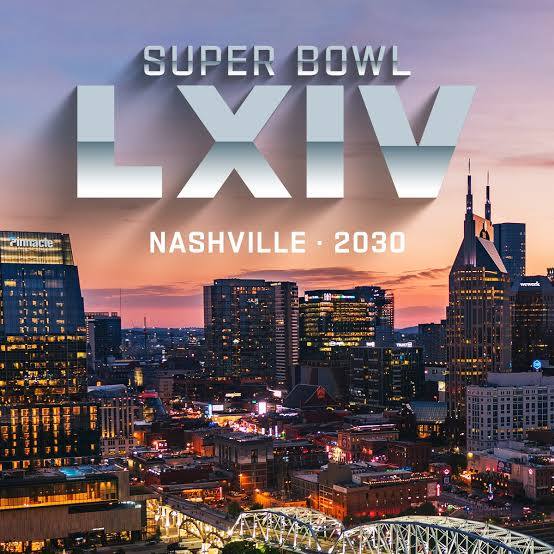
- The NFL announced in May 2026 that Super Bowl LXIV will be played in Nashville on February 11, 2030, at the new Nissan Stadium.
- The award reflects years of investment in transportation, hotels, and downtown infrastructure, not just a new stadium.
- The East Bank redevelopment around the stadium is one of the largest urban planning efforts in Nashville history.
- Downtown, The Gulch, SoBro, and Germantown are best positioned to host visitors; West End and Hillsboro Village stay strong residential markets.
- National exposure can drive long term relocation, investment, and second home demand.
In May of 2026, the NFL officially announced that Super Bowl LXIV will be played in Nashville on February 11, 2030, inside the new Nissan Stadium. It will be the first time in the city’s history that Nashville has hosted the biggest sporting event in the United States.
As someone who’s spent nearly a decade helping clients buy and sell homes throughout Nashville, my first thought wasn’t about football.
It was about what this says about our city.
The Super Bowl isn’t awarded simply because a city builds a new stadium. The NFL evaluates transportation, hotel capacity, public safety, entertainment districts, convention infrastructure, and a city’s ability to host hundreds of thousands of visitors from around the world.
Winning the bid means Nashville has reached a different level.
From a real estate perspective, that’s the story worth paying attention to.
The Super Bowl Is an Economic Development Story
The game itself lasts one evening.
The economic impact begins years before kickoff.
Cities spend years preparing for an event of this scale by investing in roads, pedestrian improvements, public gathering spaces, hospitality, security, and downtown infrastructure. Private developers often follow with new hotels, restaurants, mixed use projects, and commercial investment.
In Nashville’s case, many of those investments were already underway.
The Super Bowl simply validates the direction the city has been moving for years.
This isn’t about building a city for one weekend.
It’s about building a city that can compete on a national stage for decades.
The New Nissan Stadium Is Just the Beginning
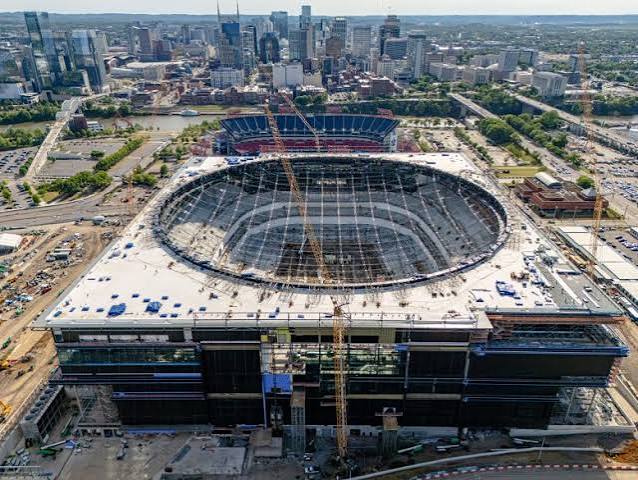
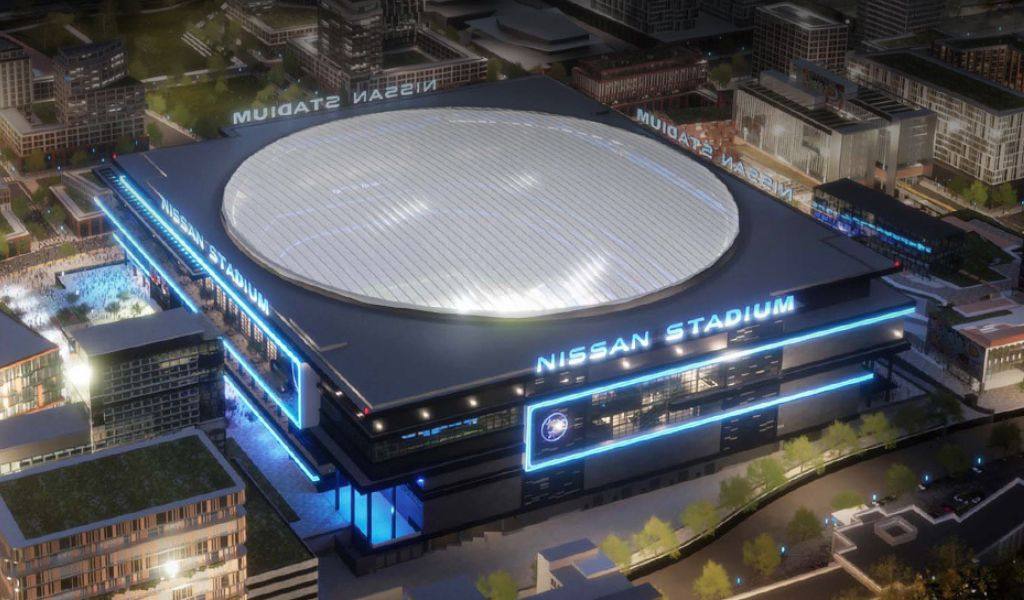
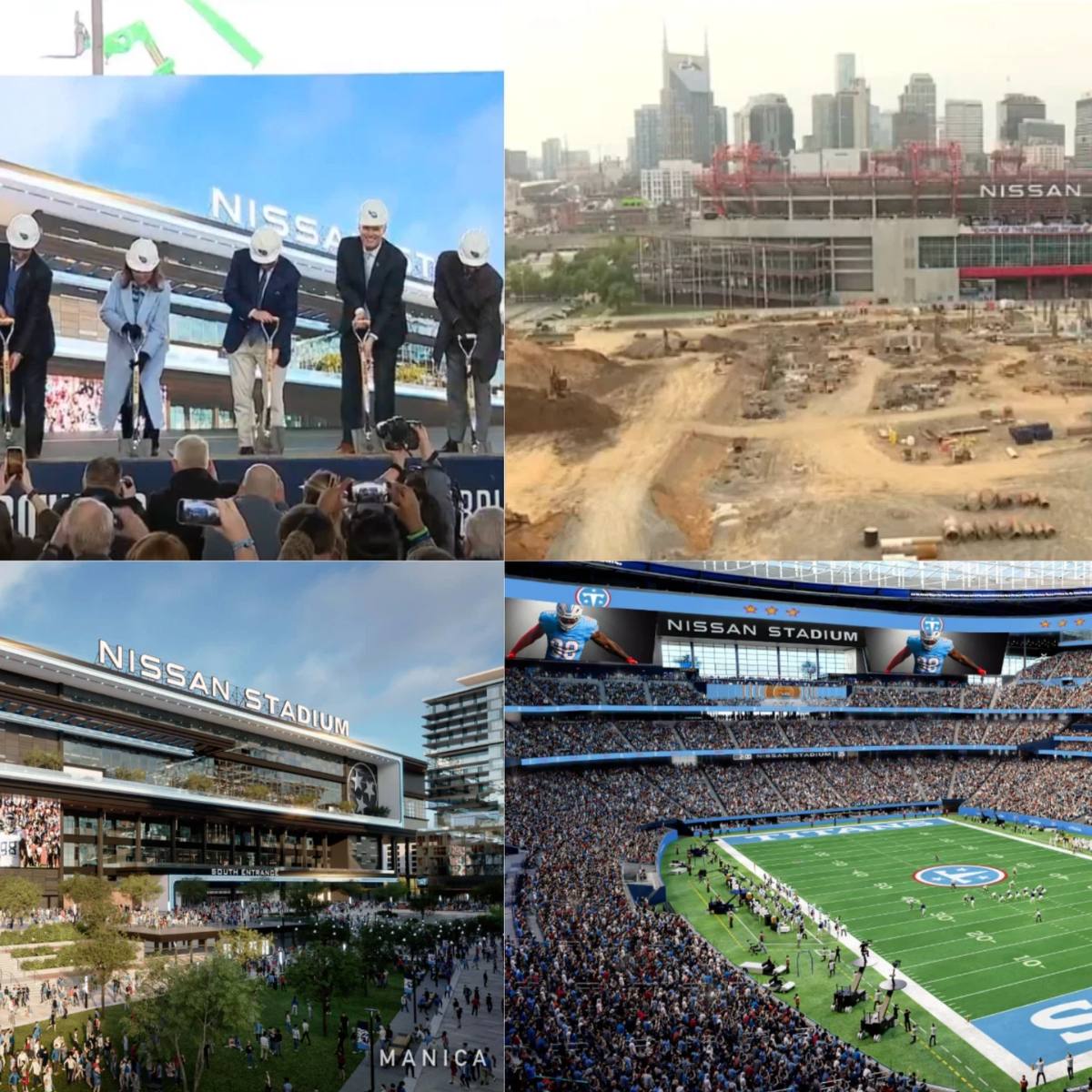
Much of the national attention will naturally focus on the new Nissan Stadium.
It deserves the attention.
The stadium is a transformational project that will serve as the centerpiece for Super Bowl LXIV and future national events.
But from my perspective, what’s happening around the stadium is even more significant.
The East Bank redevelopment represents one of the largest urban planning efforts in Nashville’s history. Over the coming years, the area is expected to include thousands of new residential units, office space, parks, restaurants, retail, and expanded riverfront access.
Instead of simply creating a stadium district, Nashville is creating an entirely new extension of downtown.
That type of long term investment tends to reshape how people live, work, and experience a city.
Why Public Investment Matters in Real Estate
One thing I’ve learned after years in this business is that buyers often focus on individual homes while cities focus on neighborhoods.
Public investment usually attracts private investment.
Improved streets attract new restaurants.
New restaurants attract residents.
Residents attract retailers.
Employers follow talent.
Over time, those investments begin reinforcing one another.
That’s why I encourage clients to pay attention to where cities are spending money.
It often tells you as much about a neighborhood’s future as today’s inventory levels.
Of course, no public project guarantees future appreciation. Real estate values are influenced by interest rates, inventory, employment, and the broader economy. But long term public investment is one of the factors I always consider when evaluating a market.
Which Nashville Neighborhoods Could Benefit?
The Super Bowl will certainly shine the brightest spotlight on downtown, but history suggests the benefits of events like this extend well beyond the stadium itself.
Downtown Nashville
Downtown will be the center of international media coverage, corporate hospitality, and fan events. Continued investment in streetscapes, public spaces, hotels, and entertainment will likely strengthen its position as the heart of the city.
The Gulch
The Gulch already stands as one of Nashville’s premier urban neighborhoods. Its luxury condominiums, walkability, restaurants, and rooftop hospitality make it a natural extension of the downtown experience during major events.
SoBro
South of Broadway continues to evolve as one of Nashville’s most important mixed use districts. Hotels, residential towers, entertainment venues, and the Music City Center position SoBro to play a major role in hosting visitors throughout Super Bowl week.
Germantown
Germantown offers something different. Historic character, award winning restaurants, and a true neighborhood atmosphere just minutes from downtown. As more visitors experience Nashville beyond Broadway, Germantown’s reputation will likely continue growing.
West End and Hillsboro Village
While these neighborhoods won’t host the Super Bowl itself, they remain some of the city’s strongest residential markets because of Vanderbilt University, Vanderbilt University Medical Center, Centennial Park, and an increasingly walkable collection of restaurants, retail, and local businesses.
For buyers relocating to Nashville after seeing the city on a national stage, these neighborhoods often become attractive alternatives to living directly downtown.
National Exposure Creates Long Term Opportunity
The Super Bowl attracts more than football fans.
It brings corporate executives, entrepreneurs, investors, developers, media companies, and business leaders from around the world.
Many will be visiting Nashville for the first time.
Some will decide to come back.
Others may explore opening offices, investing in commercial real estate, relocating employees, or purchasing second homes.
That type of exposure is difficult to quantify, but cities that successfully host global events often benefit long after the television cameras leave.
For Nashville, the Super Bowl becomes another opportunity to demonstrate what residents already know.
This is no longer an emerging city.
It’s one of America’s premier places to live, work, and invest.
What This Means for Buyers
I don’t believe anyone should purchase real estate simply because the Super Bowl is coming to town.
That’s not how good investment decisions are made.
What I do think buyers should recognize is what this event represents.
It reflects years of planning.
Years of infrastructure investment.
Years of confidence from both the public and private sectors.
When I work with clients relocating to Nashville, we spend as much time discussing where the city is investing as we do looking at individual properties.
Those broader trends often tell the more important story.
Final Thoughts
The announcement that Nashville will host Super Bowl LXIV in 2030 is about much more than football.
It’s recognition that the city has evolved into one of the country’s premier destinations for business, healthcare, higher education, entertainment, and tourism.
The game will last one Sunday.
The investments leading up to it will shape Nashville for decades.
As a Realtor, that’s what excites me most.
Whether you’re considering a downtown condominium, a home in Germantown, a property in The Gulch, or a neighborhood like West End or Hillsboro Village, the bigger picture remains the same.
Nashville isn’t preparing for one event. It’s continuing to build a city that’s positioned to compete on the national stage long after the final whistle is blown.
Frequently Asked Questions
the Super Bowl and Nashville Real Estate
When and where will Super Bowl LXIV be played in Nashville?
Super Bowl LXIV will be played in Nashville on February 11, 2030, at the new Nissan Stadium, as announced by the NFL in May 2026.
Is this the first time Nashville has hosted a Super Bowl?
Yes. It will be the first time in the city’s history that Nashville has hosted the Super Bowl.
Which Nashville neighborhoods are best positioned to benefit?
Downtown, The Gulch, SoBro, and Germantown are best positioned to host visitors, while West End and Hillsboro Village are expected to remain strong residential markets.
What is driving real estate interest beyond the stadium itself?
The East Bank redevelopment around the new stadium is one of the largest urban planning efforts in Nashville’s history, reflecting years of investment in transportation, hotels, and downtown infrastructure, not just the stadium.
Should buyers purchase real estate simply because the Super Bowl is coming?
No. Buying real estate purely because of the Super Bowl isn’t recommended. National exposure can support long-term relocation, investment, and second-home demand over time, but it does not guarantee short-term gains.
How could national exposure from the Super Bowl affect Nashville real estate long term?
National exposure from hosting the Super Bowl can drive long-term relocation, investment, and second-home demand as visitors and businesses become more familiar with the city.