At a Glance
- Luxury new construction across Davidson and Williamson County continues to emphasize total square footage and bedroom count.
- Larger homes do not always offer better layouts, higher-quality materials, or stronger craftsmanship.
- Every construction budget has limits, and maximizing square footage can leave less room for premium finishes and architectural details.
- Buyers are becoming more aware of the difference between impressive listing specifications and a home that functions well in everyday life.
- Thoughtful floor plans, quality materials, natural light, and well-designed storage often create more lasting value than additional unused rooms.
- The strongest luxury homes balance size with craftsmanship, functionality, and long-term livability.
Written by Christie Bradley
In Nashville’s luxury market, size has traditionally been one of the easiest ways to communicate value.
More square footage, more bedrooms, more bathrooms, and more finished levels can make a home appear more impressive, particularly when buyers are comparing properties online.
And across parts of Davidson and Williamson County, many new luxury homes are being designed to maximize those numbers.
At a glance, that approach can make sense. Buyers want enough space for family, guests, entertaining, working from home, and the flexibility to accommodate changing needs.
But when you look more closely, the question becomes whether all of that additional space is actually improving the home.
Because at the luxury level, bigger does not always mean better.
Why Square Footage Continues to Drive Luxury Construction
Square footage is easy to market.
A 7,000-square-foot home with seven bedrooms immediately appears to offer more than a 5,000-square-foot home with four bedrooms, even if the smaller property has a better floor plan, stronger materials, and more thoughtful design.
For builders, maximizing the size of a home can also make financial sense. Once the land has been purchased and the major construction systems are in place, adding more finished space may increase the home’s marketable value.
The challenge is that every project still has a budget.
When more of that budget is dedicated to enclosing and finishing additional square footage, something else may receive less attention.
That can show up in:
- Cabinetry that looks custom but uses more basic construction
- Large rooms without adequate lighting or architectural detail
- Expansive kitchens that lack practical storage or preparation space
- Oversized primary suites paired with relatively small closets
- Finished basements that add square footage without a clear purpose
- Builder-grade fixtures in homes positioned at a luxury price point
- Floor plans that prioritize bedroom count over everyday flow
None of those issues necessarily make a home undesirable.
But they can create a disconnect between the price of the property and the experience of living in it.
What Quality Actually Looks Like at the Luxury Level
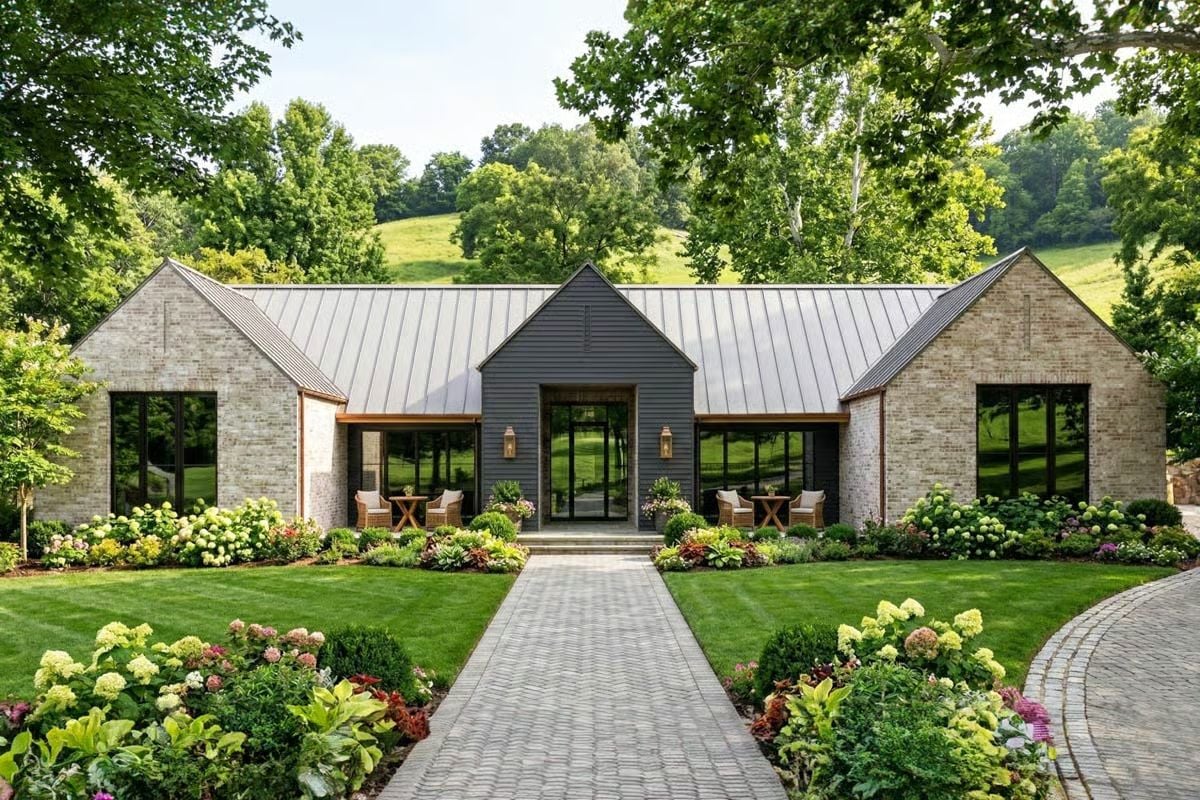
True quality is not always the first thing buyers notice in listing photographs.
It is often found in the details that become more apparent during a showing, or after living in the home.
The placement of windows affects how natural light moves through the house. The quality of the doors, hardware, cabinetry, and millwork changes how the home feels when it is used. Thoughtful insulation and properly planned mechanical systems influence comfort, energy efficiency, and noise.
Layout matters just as much.
A home may have an impressive amount of square footage, but that does not guarantee that the space functions well.
At the luxury level, a well-designed home should make everyday routines feel easier.
The path from the garage to the kitchen should make sense. The pantry should be accessible without interrupting the main work area. The laundry room should be positioned near the bedrooms or supported by a secondary laundry space. Outdoor entertaining areas should connect naturally to the kitchen and a convenient bathroom.
Storage should also be incorporated throughout the home rather than treated as an afterthought.
These details may not add another bedroom to the listing description, but they create a home that feels considered.
And for many buyers, that is becoming a more meaningful definition of luxury.
Where Buyers Are Beginning to Push Back
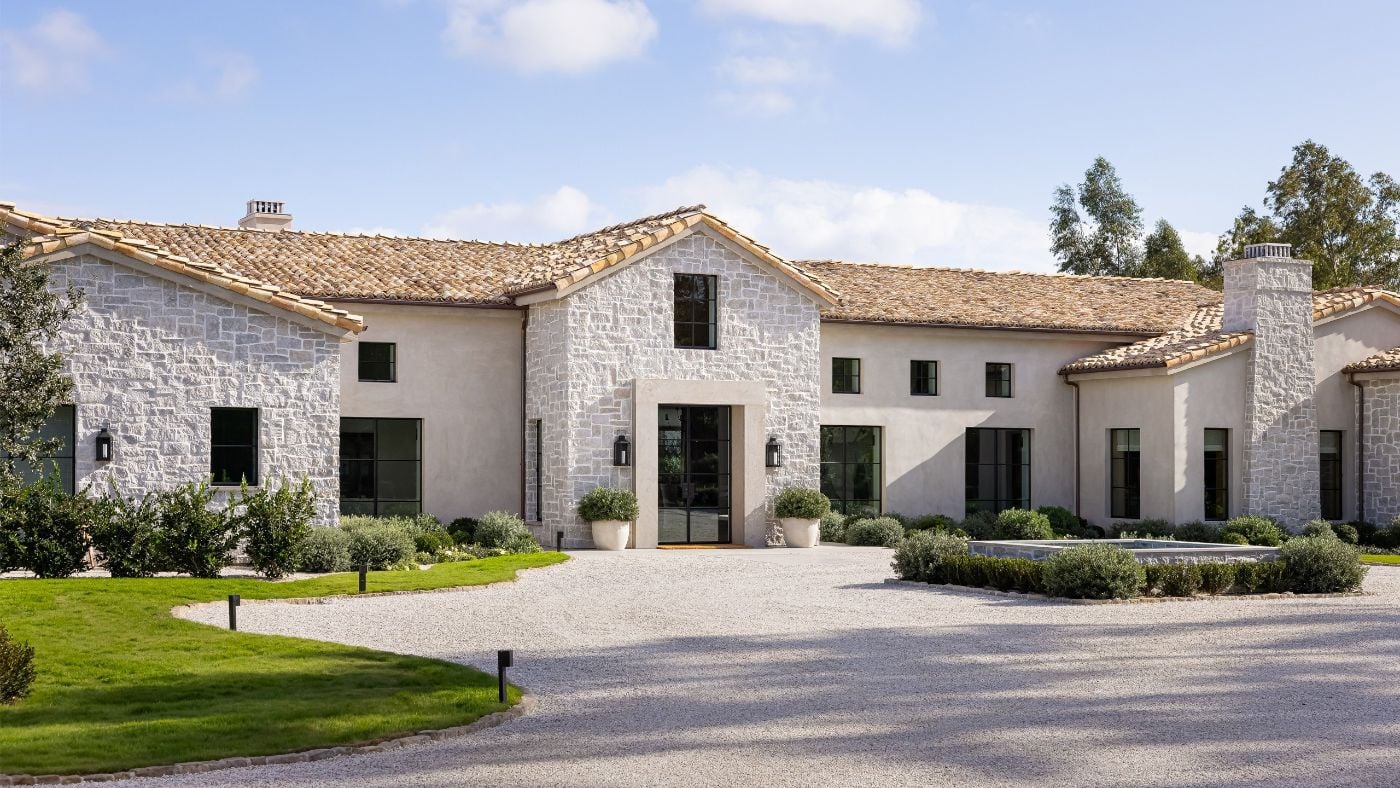
Luxury buyers are becoming more selective about how space is used.
They may still want a large home, but they are paying closer attention to whether the additional square footage serves a real purpose.
A second kitchen, multiple bonus rooms, or six guest suites may appeal to one buyer. For another, those spaces may represent additional maintenance, furnishing costs, and rooms that rarely get used.
Instead, many buyers are prioritizing:
- Fewer rooms with better proportions
- Higher-quality materials and finishes
- Main-level living that supports long-term use
- Flexible spaces that can change over time
- Strong indoor-outdoor connections
- Privacy and lot usability
- Storage that supports the way they actually live
This does not mean the market is moving away from large luxury homes.
It means buyers are becoming more thoughtful about what makes a large home worth owning.
In established areas of Davidson County, buyers may be willing to accept less square footage in exchange for architecture, location, mature landscaping, and craftsmanship.
In Williamson County, where larger new construction is more readily available, buyers are often comparing not only the amount of space but also the quality of the finishes, the functionality of the floor plan, and the long-term value of the design.
The number on the listing still matters.
But it is no longer the only measure.
The Bottom Line
There is nothing inherently wrong with a large luxury home.
For buyers with large families, frequent guests, multigenerational needs, or a lifestyle that requires extensive entertaining space, additional square footage can be incredibly valuable.
The issue is not size itself.
It is size without intention.
A thoughtfully designed 5,000-square-foot home can feel more luxurious than a poorly planned 8,000-square-foot home because every room has a purpose, the materials reflect the price point, and the layout supports the way the owners live.
In today’s Nashville market, particularly across Davidson and Williamson County, the strongest luxury homes are not necessarily the ones that offer the most square footage.
They are the ones that know where to use it.
Because at the luxury level, quality is not simply about how much house you can build.
It is about how well that house is built.