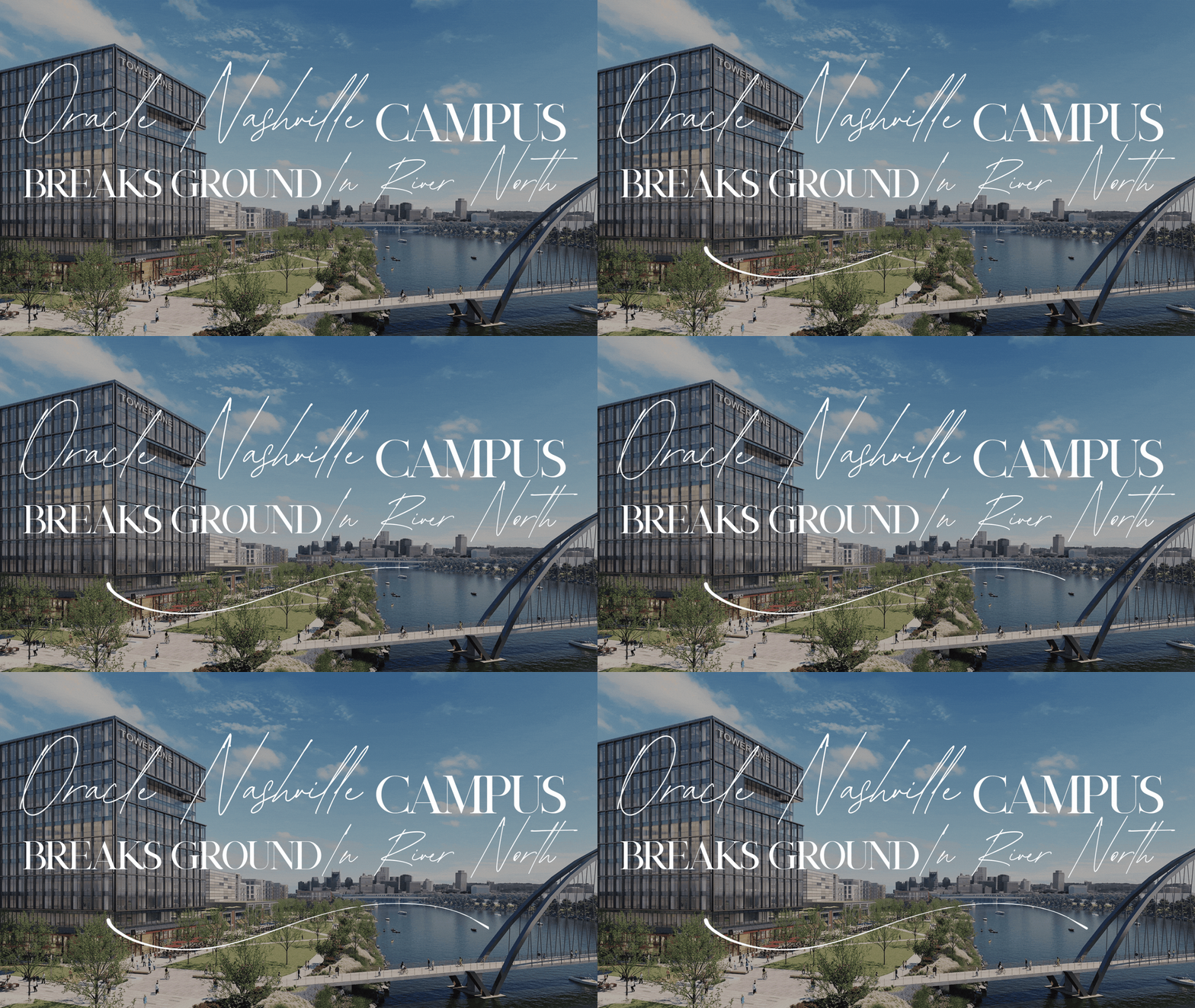
Oracle’s Nashville campus in the River North district of Nashville, Tennessee has moved into active demolition, with heavy equipment now clearing the future headquarters site along the East Bank. The start of ground disturbance shifts the project from permitting and preparation into visible construction activity. For the Nashville real estate market, that transition narrows execution risk and marks the first tangible phase of the River North development cycle.
The Oracle River North campus has been publicly discussed as a multibillion-dollar investment along Nashville’s East Bank corridor, making visible execution particularly significant for nearby property owners and investors.
At a Glance
- Demolition has begun at the Oracle River North site
- The project has moved from planning into physical execution
- Execution reduces development uncertainty
- Nearby residential and short-term rental assets gain long-term clarity
- River North shifts from concept to active build phase
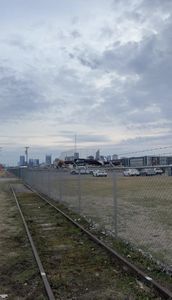
Why Demolition Matters
Major developments pass through predictable stages. Announcement generates attention. Approvals reduce legal risk. Permits clear procedural hurdles. Ground disturbance signals capital deployment.
Demolition is the moment cancellation risk drops meaningfully.
Once structures are removed and equipment is operating, the probability of completion increases. Lenders, developers, and buyers begin underwriting the corridor differently.
River North has crossed that threshold.
River North does not exist in isolation, but rather as one piece of a larger East Bank Development story.
What This Means for Residential Values
Construction does not create overnight appreciation. It does strengthen price resilience.
Neighborhoods most directly positioned include:
- Germantown
- Katie Hill
- North Capitol corridor
- East Bank-adjacent residential pockets
Buyers now evaluate these areas with observable execution rather than future projections. That typically supports long-term valuation stability before it drives aggressive price acceleration.
The real appreciation catalyst will be confirmed hiring and sustained employment presence, not demolition alone. Vertical construction timelines and verified job placement milestones will ultimately determine the pace of residential absorption in surrounding neighborhoods.
Airbnb and Corporate Stay Implications

Corporate campuses influence demand beyond permanent relocations.
Active construction phases generate:
- Contractor and vendor stays
- Consultant travel
- Executive visits
- Project-based housing demand
For legally permitted short-term rentals near downtown Nashville, River North proximity becomes incrementally more relevant as construction progresses. The magnitude will depend on hiring cadence, on-site work requirements, and Nashville STR regulations.
Execution reduces ambiguity in underwriting, but durable short-term rental performance will follow actual workforce presence rather than headlines. For more on regulatory and performance considerations, see [Internal Link: Nashville Airbnb Investment Properties].
The East Bank Context
The Oracle campus does not stand in isolation. It sits within the broader transformation of Nashville’s East Bank, a corridor long targeted for higher-density redevelopment but constrained by infrastructure sequencing and execution timing.
What makes this moment different is alignment. Employment scale, roadway coordination, and utility expansion are advancing together rather than independently. When infrastructure and institutional anchors move in tandem, districts tend to mature more predictably.
River North is moving from future-oriented planning language to present-tense activity. That shift influences how lenders, developers, and residential buyers assess long-term positioning along the East Bank.
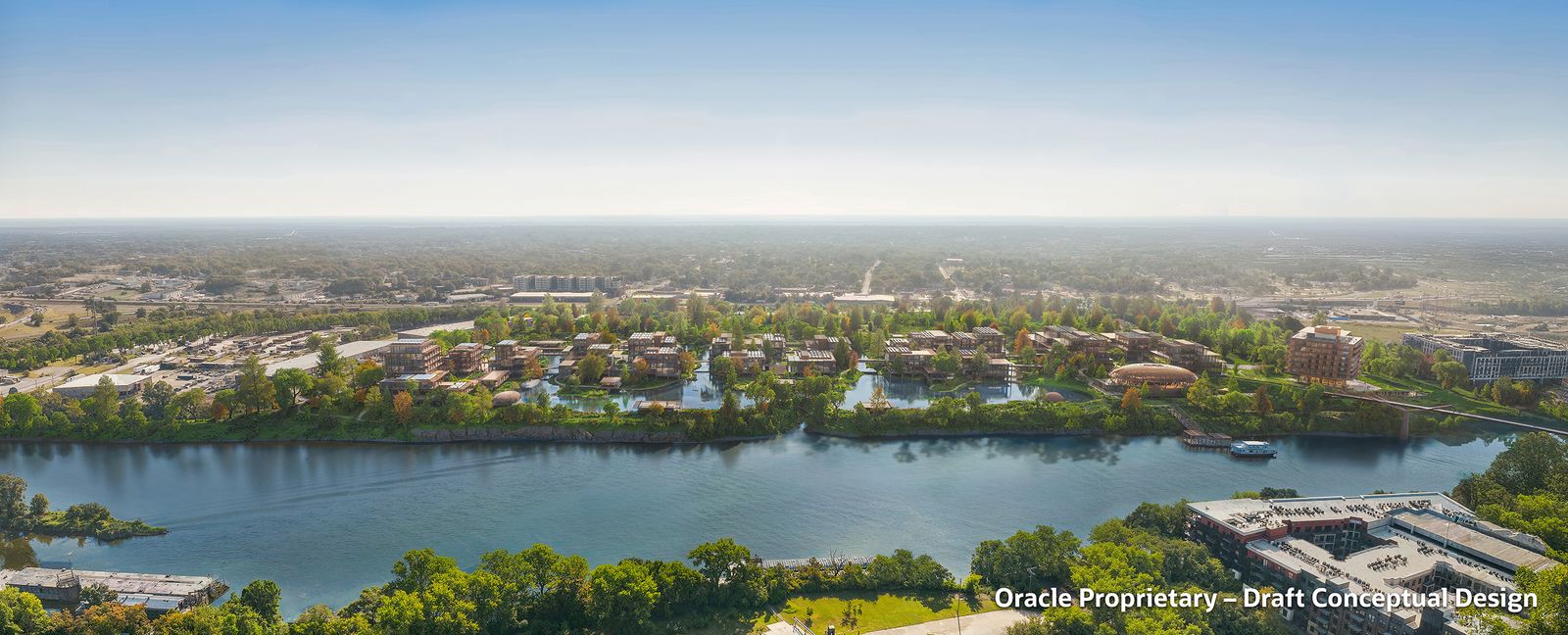
What to Watch Next
Demolition is the first visible milestone.
Next signals include:
- Grading and foundation permits
- Vertical structural activity
- Public hiring disclosures
- Acceleration of surrounding mixed-use projects
Each step reduces uncertainty and strengthens underwriting confidence. Residential absorption tied to the campus will ultimately depend on the scale of on-site employment and the mix of roles requiring physical presence.
Strategic Takeaway
Oracle Nashville entering active demolition represents more than construction progress. It marks the point at which River North shifts from planning to execution. In real estate markets, timing often hinges on visible commitment. When capital is deployed and physical work begins, development risk compresses and long-term projections become anchored to observable progress rather than future renderings. That shift does not guarantee immediate appreciation, but it does create greater clarity within the Nashville real estate market. For residential owners, investors, and short-term rental operators near the East Bank, that clarity matters. Execution changes how the district is evaluated, and River North is now functioning as an active development corridor rather than a conceptual growth narrative.

Check out this article next