AT A GLANCE
- NAR data shows the vast majority of buyers find homes online, and a very small percentage purchase a home they first discovered at an open house.
- Homes that rely on open houses frequently have longer days on market, not because open houses cause the problem, but because they're often a reaction to lagging demand.
- Open houses can signal seller urgency or pricing misalignment, which experienced buyer's agents recognize and use in negotiation.
- In many cases, the agent hosting the open house is not the listing agent, a newer agent may be placed in the home primarily to generate their own leads.
- Open houses introduce real security risks: public access to your home, documented theft of valuables, and no pre-qualification requirement for walk-ins.
- Effective home sales today are built on strategic pricing, professional photography, targeted buyer outreach, and private showings with qualified buyers.
Open houses are one of the most common tactics in residential real estate. Sellers often expect them. Some agents promise them. They feel productive.
But if you step back and look at how homes actually sell today, a very different picture emerges. Here I am going to let you in on the reality of open houses spoken by an industry veteran.
The truth is: open houses are rarely the reason a home sells. In many cases, they are a signal of something else happening behind the scenes. And the rare homes that sell from an open house, are likely to have sold regardless because if that home was not open for an open house, they would have made an appointment to come view it and subsequently submit their offer to purchase.
What the Data Actually Shows
According to data published by National Association of Realtors:
The vast majority of buyers find homes online. A very small percentage of buyers purchase a home they first discovered at an open house. Most buyers are already working with an agent and schedule private showings.
In practice, serious buyers:
- are pre-qualified
- are working with representation
- schedule targeted showings
- move quickly when the right home is priced correctly
Open houses tend to attract:
- early-stage buyers
- curious neighbors
- unrepresented walk-in buyers
Not typically the most qualified or decisive buyers.
Why Homes With Open Houses Often Take Longer to Sell
There is a consistent pattern in the market:
👉 Homes that rely on open houses often have longer days on market
Important distinction: open houses are usually not the cause, they are a reaction to a lack of demand.
In many cases, open houses are scheduled when:
- a home did not sell quickly
- pricing may be off
- marketing strategy needs reinforcement
Instead of correcting the core issue, an open house is used as an additional tactic.
What Open Houses Often Signal
In real-world practice, open houses typically indicate one of three scenarios:
1. A Seller Under Pressure
When a home has been sitting on the market, open houses are often introduced to generate activity. Experienced buyer's agents recognize this. It can signal seller urgency, potential pricing misalignment, and increased willingness to negotiate.
In negotiation, perception matters. Open houses can sometimes work against a seller's leverage.
2. A Misguided Marketing Promise
Some listing agents present open houses as a primary selling strategy. The reality is: open houses do not create demand, they do not replace pricing strategy, and they do not substitute for targeted marketing.
If a home is priced correctly and marketed effectively, qualified buyers will schedule private showings.
3. Lead Generation for Agents
This is the part most sellers are not told.
Open houses are one of the most effective ways for agents to meet unrepresented buyers. In many cases, the listing agent is not hosting, a newer agent is placed in the home, and their primary goal is to generate leads.
They may not know the property in depth, may not be positioned to negotiate, and may be focused on meeting future clients rather than selling the current home.
Your home becomes a platform for business development.
What Actually Sells Homes Today
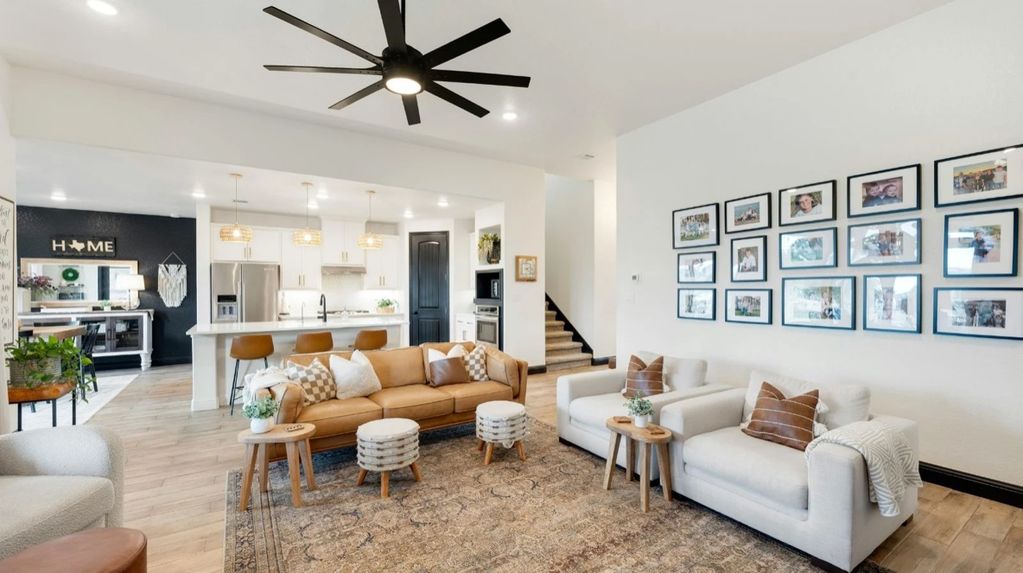
Serious buyers want focused, uninterrupted time to evaluate a home. Private showings deliver that. Open houses don't.
In today's market, homes sell because of:
Strategic Pricing
Correct pricing creates immediate demand and urgency.
Professional Marketing
Professional photography, video, and digital exposure drive interest before a showing ever occurs.
Targeted Buyer Outreach
Reaching qualified buyers through agent networks and online platforms.
Private Showings
Serious buyers want focused, uninterrupted time to evaluate the home.
The Security Risks Most Sellers Don't Consider
Anyone can walk in. No pre-qualification required. That's a risk most sellers don't fully consider.
Open houses introduce a level of exposure that many sellers underestimate.
1. Public Access to Your Home
Anyone can walk in, strangers, individuals without pre-qualification, people with unknown intent. This creates an environment where valuables can be identified, layouts can be studied, and security weaknesses can be observed.
2. Theft During or After Open Houses
There have been documented cases across the U.S. where small valuables were taken during open houses and individuals returned later after scouting the home. Law enforcement and real estate organizations have issued warnings about prescription drug theft, jewelry theft, and unsecured items disappearing during showings.
3. Agent Safety Concerns
Open houses also present risks to agents. Industry safety reports, including those from the National Association of Realtors, have documented agents being threatened, agents being followed, and isolated incidents of physical harm. These situations are rare, but they are real enough that safety protocols are now standard in the industry.
A Smarter Approach to Selling
Rather than relying on open houses, a more effective strategy focuses on launching with strong initial exposure, creating urgency in the first week, targeting qualified buyers directly, and controlling access through scheduled showings.
This approach protects the seller's leverage, reduces unnecessary exposure, and focuses on serious buyers.
Final Thoughts
Open houses are familiar, but familiarity does not equal effectiveness.
They can create activity, but they are rarely what actually sells a home. In many cases, they signal a deeper issue with pricing or strategy, or they serve purposes that do not directly benefit the seller.
Selling a home successfully requires a focused, data-driven approach that prioritizes qualified buyers, strong positioning, and controlled access.

Check out this article next