
New Zoning Proposals Could Reshape Nashville Neighborhoods
Nashville…



Zoning, density, and land use policy shaping housing across Nashville and Middle Tennessee.
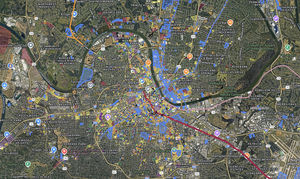 Zoning and land use policy quietly shapes nearly every real estate outcome across Nashville and Middle Tennessee. Long before a home is listed or a development breaks ground, zoning determines what can be built, where density is allowed, and how neighborhoods evolve over time. This section focuses on the rules, proposals, and decisions that influence housing supply, property values, and development feasibility throughout the region.
Coverage here spans Metro Council legislation in Davidson County, planning commission actions, and zoning changes across surrounding Middle Tennessee counties. We track updates related to residential classifications, overlays, accessory dwelling units, and density standards, with an emphasis on how these policies translate into real world outcomes. Rather than debating theory, the goal is to explain what has changed, what is proposed, and why it matters.
Zoning is often misunderstood because its effects are gradual. Small adjustments can take years to fully show up in inventory, pricing, and neighborhood character. That makes early awareness valuable. By following proposals as they move from committee to adoption, this category provides context that helps homeowners, buyers, and builders anticipate change instead of reacting to it.
Articles in this section are updated as policies evolve and are written for readers who want practical clarity. Whether you own property in Middle Tennessee, are evaluating a future purchase, or are tracking how local decisions influence long term market behavior, this category is designed to serve as a reliable reference point.
What is zoning and why does it matter for real estate?
Zoning sets the rules for what can be built on a property, including use, density, setbacks, and height. It directly influences value, redevelopment potential, and future neighborhood change.
Do zoning changes automatically affect existing homeowners?
Usually, no. Most changes affect what is permitted going forward. Existing homes are typically allowed to remain, but future additions, rebuilds, and new construction may be governed by updated rules.
What is a DADU and how is it different from a short term rental?
A DADU is a detached accessory dwelling unit, like a garage apartment or carriage house. A short term rental is a use and operating model. A DADU can exist without being used as a short term rental, and short term rental rules are often separate.
How long does it take for zoning proposals to become real policy?
It depends on the jurisdiction and the proposal, but it often takes weeks or months from introduction to final adoption, and implementation dates can be delayed further.
Can zoning impact property values even if nothing is built next door?
Yes. The market prices in what is possible. Changes that expand or restrict future use, density, or buildability can affect value even before any project is announced.
Where can I verify current zoning for a specific property?
The best source is the local planning or zoning department’s official map and parcel lookup tool. For deals, confirm zoning directly with the jurisdiction and do not rely only on marketing materials.