


Nashville’s rapid growth has created new opportunities, but it has also placed increasing pressure on infrastructure. As the region continues to expand with corporate relocations, population growth, and major development projects, transportation solutions are becoming one of the most important conversations shaping the city’s future.
Recent plans to move forward with an underground transportation tunnel connecting Nashville International Airport to downtown represent a significant step toward rethinking mobility in the region. The project, associated with Elon Musk’s The Boring Company, would utilize underground tunnels to transport passengers in Tesla vehicles, offering an alternative to surface traffic congestion.
If successfully implemented, this concept could represent a transformative shift in how people move throughout the Nashville metropolitan area.
Why Nashville Needs Transportation Innovation
The Nashville region has experienced sustained growth over the past decade. Population increases, job creation, and corporate investment continue to attract new residents and businesses.
Major drivers of growth include:
- Corporate expansions and relocations, including Oracle Corporation’s planned East Bank campus
- Healthcare, technology, and logistics industry expansion
- Continued in-migration from higher-cost metropolitan areas
- Regional economic growth across Middle Tennessee
With this growth comes increased traffic congestion. Major corridors such as Interstate 65, Interstate 24, and Interstate 40 regularly experience heavy delays during peak hours.
As Nashville grows, transportation solutions must evolve.
Understanding the Tunnel Concept
The Boring Company’s tunnel transportation model uses underground passageways to move passengers in electric vehicles. These systems have already been implemented in Las Vegas with the Las Vegas Convention Center Loop, which transports passengers between destinations using Tesla vehicles in underground tunnels.
Key characteristics of the system include:
- Underground tunnels to bypass surface congestion
- Electric vehicle transport for reduced emissions
- Rapid point-to-point travel
- Scalable expansion potential
- Minimal surface disruption compared to rail projects
This approach combines infrastructure efficiency with electric and autonomous vehicle innovation.
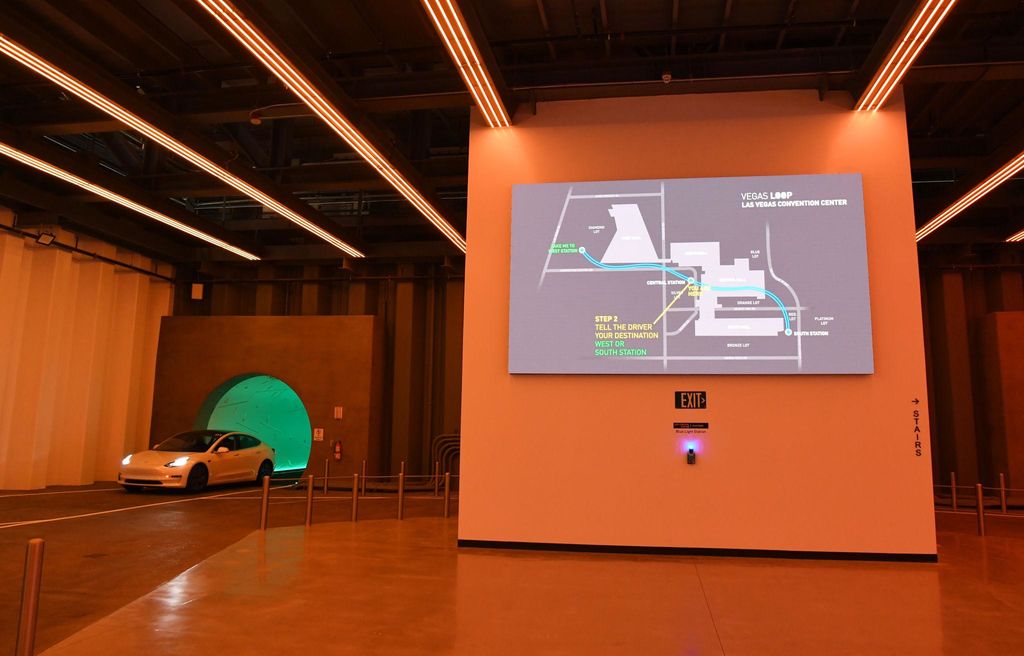
The Boring Company's Las Vegas Convention Center Loop has transported passengers underground since 2021 — the working model behind Nashville's proposed tunnel system.
Airport to Downtown: A Logical Starting Point
A tunnel connecting Nashville International Airport to downtown could provide immediate benefits:
- Reduced travel time during peak traffic
- Improved visitor experience and convention access
- Increased efficiency for business travelers
- Reduced congestion on key routes
Nashville International Airport continues to expand passenger capacity and serves as a primary gateway for tourism, business travel, and corporate relocation. A fast and reliable connection to downtown aligns with the city’s growth trajectory.
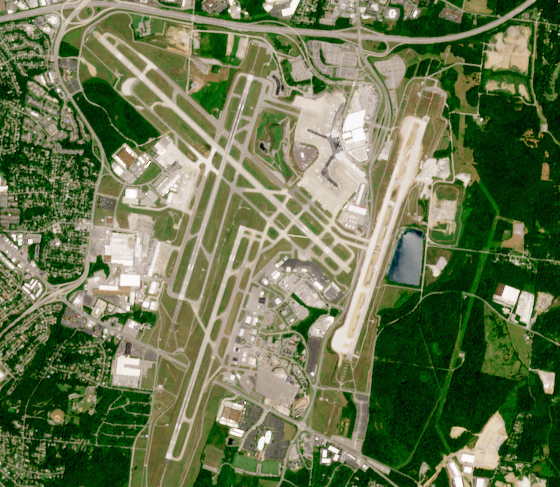
Nashville International Airport (BNA) is the proposed starting point for the underground tunnel corridor.
What If Tunnels Expanded Along Major Interstate Corridors?
If tunnel networks were eventually expanded beneath major interstate corridors such as I-65, I-24, and I-40, the impact could be substantial.
Potential Benefits
Traffic Relief
Underground transit could reduce vehicle volume on congested highways.
Reliability
Travel times would become more predictable regardless of surface congestion.
Safety
Removing vehicles from high-speed traffic environments may reduce accident exposure.
Regional Mobility
Workers commuting from surrounding counties could benefit from faster access to employment centers.
Scalable Infrastructure
Tunnel systems can be expanded incrementally as demand increases.
This concept functions similarly to a subway system aligned with highway corridors, offering high-capacity mobility without the visual and spatial impacts of elevated rail.
Safety and Autonomous Transportation
Electric vehicle tunnels paired with advancing autonomous driving technology present additional safety potential.
According to the National Highway Traffic Safety Administration, the vast majority of roadway accidents are caused by human error. Autonomous driving technologies aim to reduce these risks through sensor systems, real-time processing, and predictive safety algorithms.
Tesla’s ongoing advancements in driver assistance and autonomous technology continue to push safety innovation forward.
For many observers, safety improvements are among the most compelling aspects of automated transportation systems.
Environmental and Efficiency Advantages
Tunnel-based electric transportation offers environmental benefits:
- Reduced surface congestion and emissions
- Electric vehicle operation
- Lower noise pollution
- Minimal disruption to existing infrastructure
As cities pursue sustainability goals, underground electric transit systems may become an increasingly attractive option.
Nashville’s Growth Demands Forward Thinking
Nashville’s trajectory suggests continued growth for years to come. As more companies establish regional headquarters and infrastructure investment expands, mobility solutions will be critical to maintaining quality of life.
Transportation innovation is not just about convenience. It is about supporting economic development, safety, and long-term sustainability.
A Personal Perspective on Innovation and Safety
I have long been fascinated by the intersection of infrastructure, technology, and safety. Innovations coming from Elon Musk’s companies, including advancements in electric vehicles and autonomous driving, have the potential to reshape transportation in meaningful ways.
Safety is a major concern for many families relocating to the Nashville area. Solutions that reduce roadway risk while improving mobility deserve thoughtful consideration.
While projects like this require time, planning, and community input, they represent the kind of forward thinking infrastructure that growing cities need.
Final Thoughts
As Nashville continues to expand, transportation innovation will play a critical role in shaping its future. Underground transit systems could provide faster, safer, and more reliable mobility while supporting continued economic growth.
A tunnel connecting the airport to downtown may only be the beginning. If expanded strategically, underground transit could help Nashville meet the demands of its next phase of growth.
The conversation around mobility is evolving. Nashville has an opportunity to lead.

Check out this article next
